I’m Kayla. I chased the fighter seat. I checked boxes. I missed a few. I learned a lot. Think of this like a review. Not of a gadget—but of a gate. The “pilot gate.” It’s tough, but fair. Mostly.
You know what? It felt like applying to the most intense job on Earth… with a gym test, a science test, and a truth test all stacked together.
The Big Checklists People Don’t See
Let me explain how it looked for me. Before I ever walked into a recruiter’s office, I spent hours on sites like Air Attack studying jet specs and cockpit limits so I’d know exactly which numbers I needed to chase.
If you want the blow-by-blow of how those requirements feel from the inside, I broke it all down in this honest take.
- Age, degree, and citizenship were the easy boxes. I was 23, had a B.S. in mechanical engineering, and I’m a U.S. citizen.
- Tests were the real gate. I took the AFOQT (for the Air Force) and later the ASTB for kicks with a Navy recruiter. My AFOQT Pilot score was 87; Nav 70. On the ASTB, my OAR came back 61. Solid, not perfect.
- TBAS + PCSM for Air Force boards? That one humbled me. My first PCSM was a 72. After 60 logged flight hours in a Cessna 172, it jumped to 86. Money well spent, even though my wallet cried.
- Security clearance felt like showing my whole life. The form asked about travel, jobs, and even a slow credit card payment from college. They called my old math teacher. She laughed and said I still hate fractions.
I liked that the boxes were clear. Study, fly, tell the truth—then see if you fit.
For a concise rundown straight from the source, the U.S. Air Force Fighter Pilot Career Overview page lays out every must-have in plain language.
The Medical Wall (It’s Big, but Not Mean)
The Class 1 flight physical was the hardest “product” to pass. It felt like a car inspection, but for a human who might go 9G.
Here’s what hit me:
- Vision: I was 20/70. I got PRK. Six months later I was 20/15 both eyes. Depth perception passed on the dot test. Color vision? Normal. They did not love old LASIK, but PRK was fine with the right wait time.
- Height and fit: I’m 5'6". They measured sitting height, leg length, and reach. I fit T-6 and T-38 standards. A friend who’s 6'5" needed extra checks. Cockpit size isn’t just about how tall you are. It’s how you fit under a canopy with a helmet and a mask and a seat pack under you.
- Lungs and heart: They checked spirometry and ran an EKG. I don’t have asthma. If you do, they look at age of onset and meds. It’s strict, but not random.
- Neck and back: They cared a lot. Jets toss you. I started doing neck work with a towel and plates. It helped. Later, in the centrifuge, my neck said, “Thank you.”
Waivers exist. They’re slow. I watched one friend get a waiver for a childhood allergy. It took months, but it came through.
Training Taste Test: What It’s Like to Start the Pipeline
I did Initial Flight Training in Pueblo. That’s Initial Flight Training. Tiny pattern work. Hot cockpit. Dry wind. I loved the smell of fuel in the morning. Is that weird?
Then came SERE. I won’t share much, but I learned two things: stay calm and respect a good knot. After that, water survival. Jumping off the tower in a flight suit felt like dropping into a cold hug. The helo hoist was my favorite part.
Primary in the T-6 hit my brain like a fire hose. Boldface. Ops limits. Chair-fly. Then fly-fly. I wrote checklists on sticky notes and put them on my kettle. Boil water, brief pattern, make tea, brief recovery from unusual attitudes. Odd combo. It worked.
Track select day was loud. I got T-38s. That jet is a pencil with rockets. First sortie, I walked out trying to look cool and failed. I was buzzing. Literally and inside.
The G-Thing: My Centrifuge Story
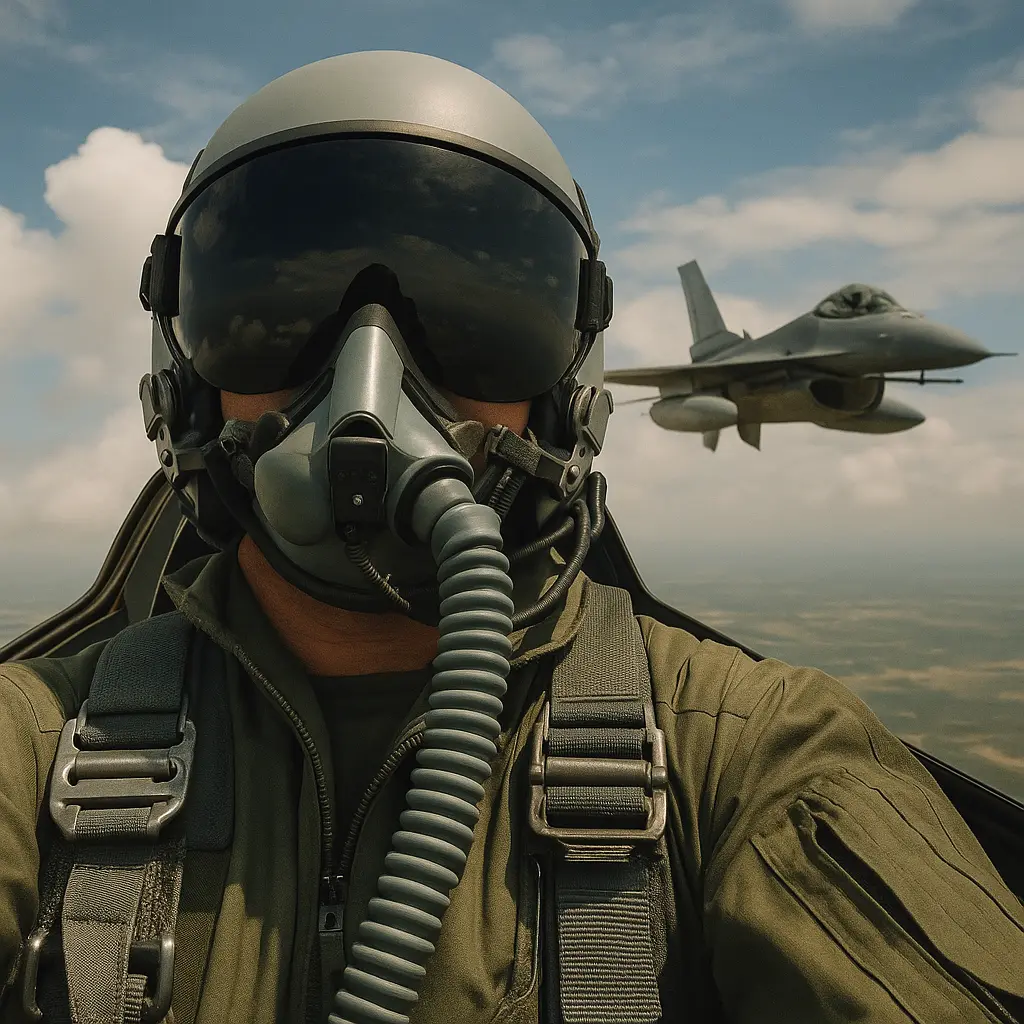
My first 9G profile humbled me. The world went gray at second 4. I could hear the doc through the headset, “Breathe.” I thought I was. I wasn’t.
Next run, I did the anti-G straining maneuver the right way. Short, sharp breaths. Legs locked like I was pushing a car uphill. Neck tight. I held it. Sweat in my eyes, but I held it. After, I sat on the floor and ate salty crackers like they were gold.
That was the moment I knew this path was real. Not glamorous. Real.
What I Liked
- The standards are clear. Pass the test. Fly the jet.
- The coaching is real. Instructors tell you straight. No fluff, no mystery.
- The tribe is strong. Classmates help. We traded flashcards and protein bars.
- The work has purpose. You feel it even on bad days.
What Drove Me Nuts
- Paperwork. Forms for forms. One missing initial can stall a board slot.
- Waiver wait times. You sit by your phone and sip cold coffee.
- Money before money. Flight hours and eye surgery cost real cash before a contract.
- Sleep gets weird. Early briefs. Late sims. Your body doesn’t ask; it just yawns.
For some applicants, figuring out how to bankroll those upfront medical procedures and flight hours is almost a job in itself. If you’re curious about creative ways people source that cash—sometimes by networking with high-net-worth mentors or benefactors—check out this primer on wealthy men. It breaks down relationship-based funding strategies and the trade-offs involved, giving you a clearer picture of whether that route aligns with your ethics and goals.
Weekends were our only chance to switch off the “jets and checklists” brain, so scouting nearby dinner spots or events became a mini-mission of its own. If your pipeline ever routes you through northwest Georgia, take a glance at the Backpage Acworth listings for a curated snapshot of local nightlife, eateries, and low-key gatherings that help you decompress without burning a whole tank of gas.
Real-World Bits I Wish Someone Told Me
- Study like an engineer. Brief like a teacher. Fly like a drummer. Timing matters.
- Chair-fly until your brain is bored. That’s when it sticks.
- Hydrate and salt up before Gs. A banana won’t save you. Water and legs will.
- Practice multitask drills for TBAS. I used a cheap joystick, a metronome app, and mental math cards. It helped a lot.
- Meet a flight doc early. Don’t guess about vision or waivers.
- Be honest on the clearance. They find things. Better they hear it from you.
Who This Path Fits
- You love checklists and chaos at the same time.
- You can take feedback without taking it personal.
- You like small teams and clear calls. Brief. Execute. Debrief.
Who might hate it?
- If you need perfect control of your schedule.
- If you hate tests and tight rules.
- If you’d rather not carry risk on your back.
No shame in that. Many great jobs don’t need a G-suit.
A Note on Numbers People Ask Me About
- My AFOQT Pilot: 87. Nav: 70. Quant: 80. Verbal: 64. PCSM: 86 (with 60 hours).
- Sitting height: 34 inches. Butt-to-knee: 23 inches. Arm reach cleared T-38 racks.
- Vision: 20/70 pre-PRK. 20/15 post-PRK. No halo issues after month 5.
- Fitness: 1.5-mile run in 10:21. Max push-ups and sit-ups. Neck work three times a week.
These aren’t magic. They’re just data points. Your path will look a bit different.
My Short List of Tips
- Start early. Even a year helps.
- Touch a real plane. Any plane. Log time if you can.
- Learn the boldface cold.
- Lift smart. Legs, core, neck. Save your spine later.
- Sleep. Then guard your sleep like it’s fuel.
- Keep a humble pen. Write down what you missed. Fix one thing each sortie.
My Verdict
The fighter pilot requirements feel like a hard course with fair graders. It’s strict, yes. But it makes sense when you strap in and hear your own breath in the mask. You feel why the rules are tight.
Would I “buy” this path again? Yes. Even with the forms and the waiting and the gray-out scares. Because the first time you roll out on